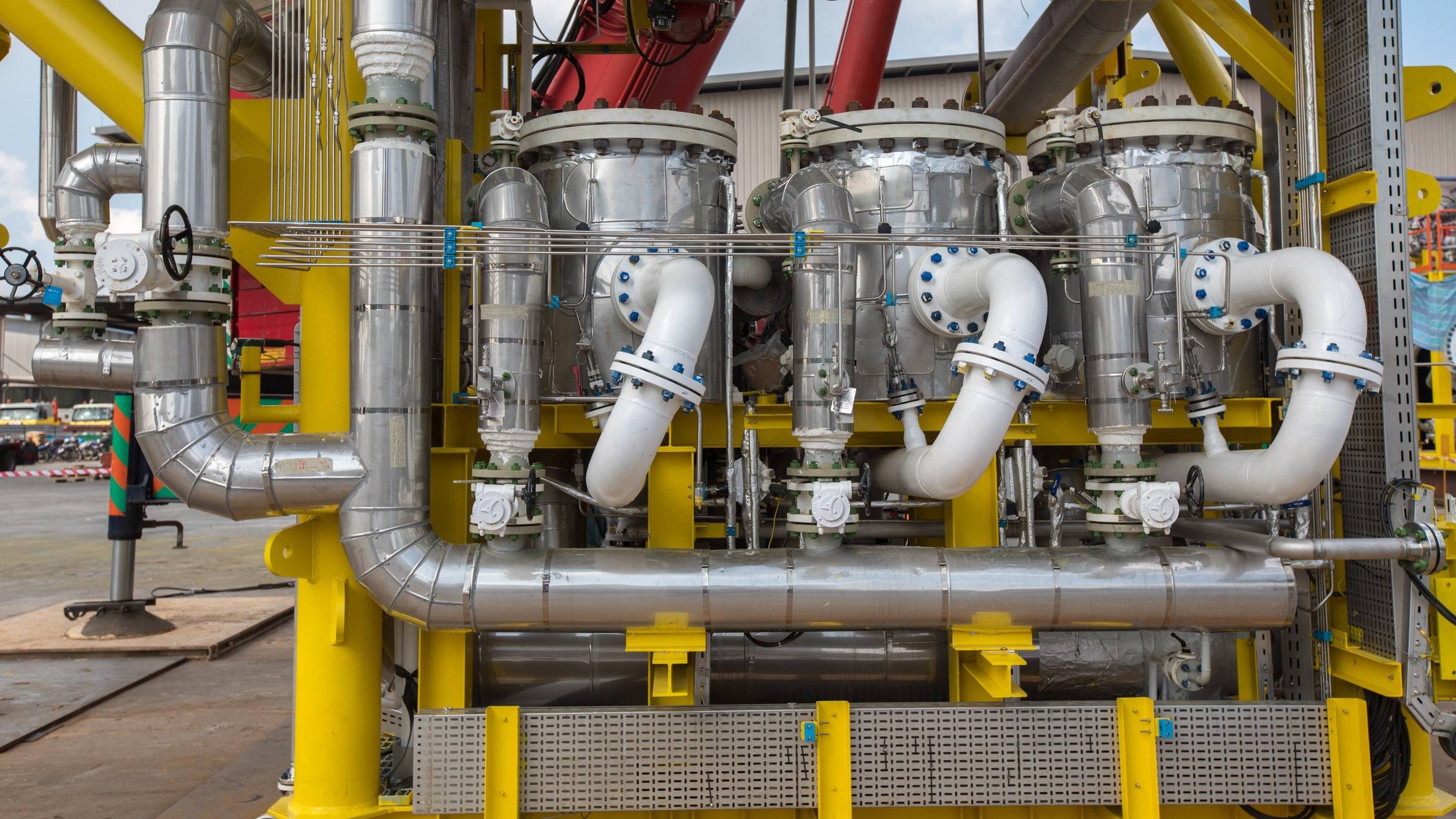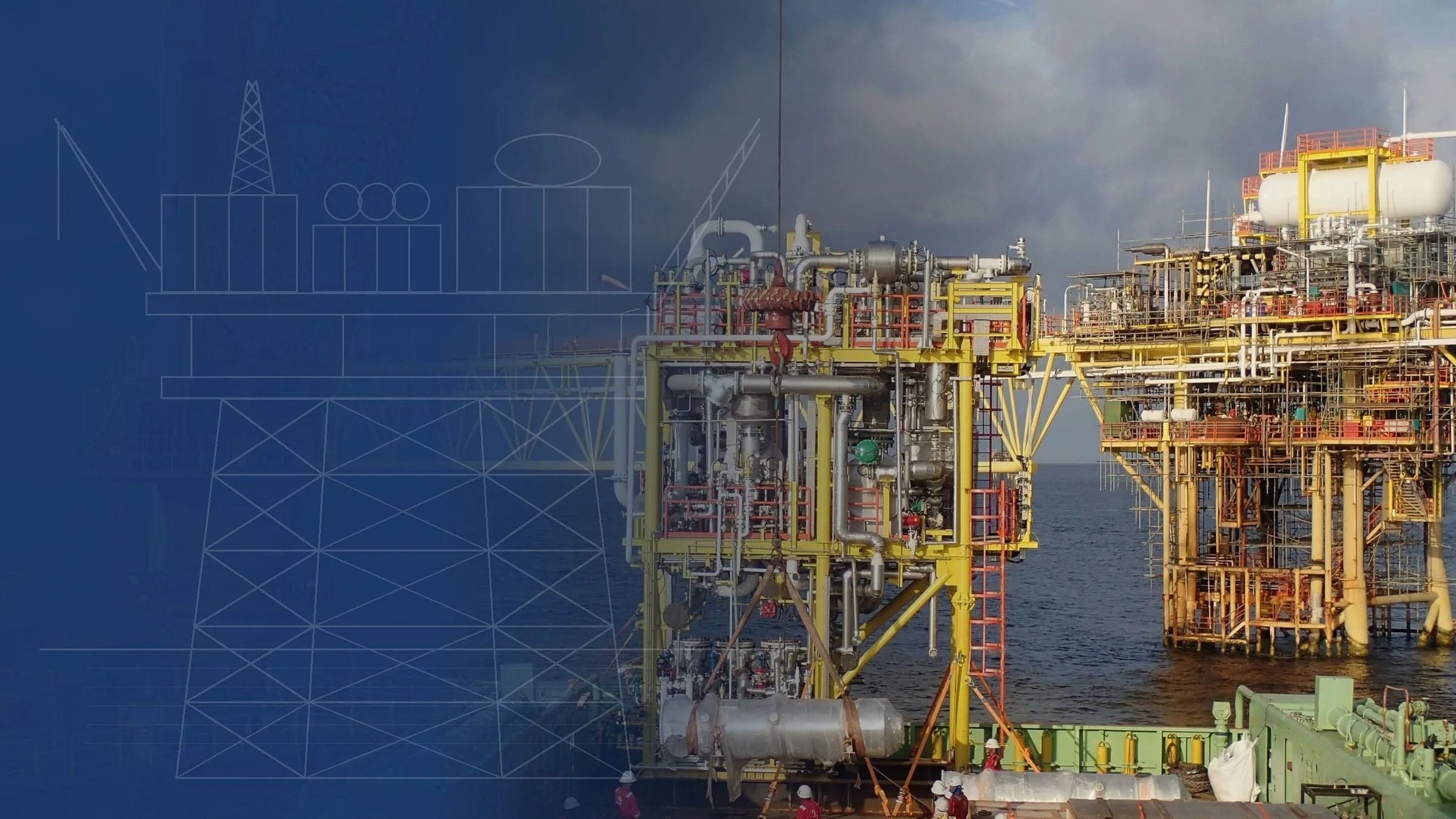
Capacity means nothing without a stated suction pressure.
Ask for a booster’s capacity and the honest answer starts with a question: at what suction pressure?
Insight · Enhanced LPPU™
Duty falls as suction pressure falls.
For a surface booster such as the Enhanced LPPU™, duty falls as suction pressure falls, so every figure we quote states the suction it applies at.
Every figure we quote states the suction it applies at.
That is why a single headline number is not useful when screening a weak or liquid-loaded well. The well, the flowline and the header together set the operating window: the pressure the well can still deliver against, the header or separator pressure, and the gas, condensate and water rates.
The other questions follow from the same physics. If the constraint is downhole, a surface machine is the wrong intervention: where the well is limited by inflow, skin or downhole lift, this will not fix it.
A credible first screen therefore needs recent well-test and decline data, flowing and shut-in wellhead pressure, header or separator pressure, gas, condensate and water rates, composition, sand and sour components, and the space, fuel gas or platform power available.
Go deeper
Is it a fit?
The Enhanced LPPU page sets out where it does its best work, and the engineering points worth knowing.
News & Insights
More stories.
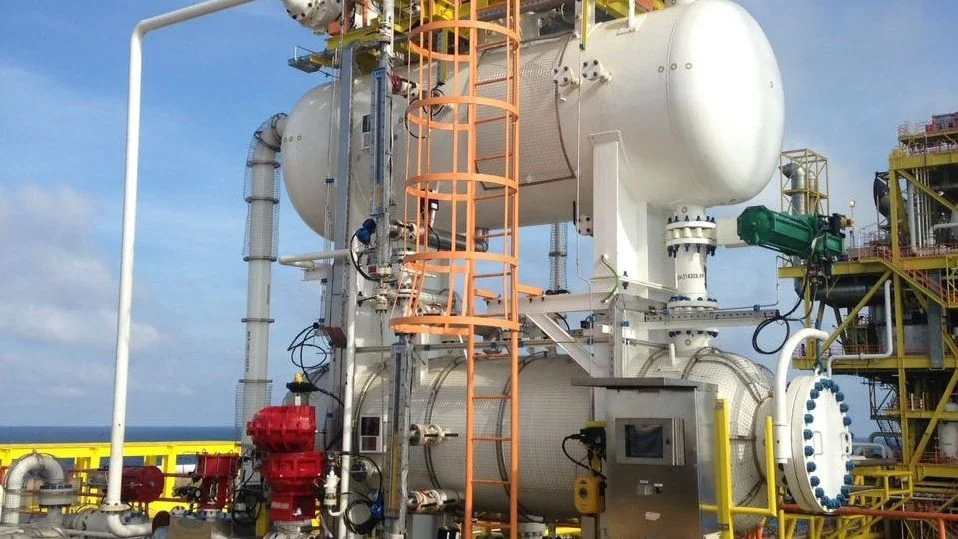
NGLTech presented at MENA Wells 2026 in Abu Dhabi
A pre-recorded film and a live, remote Q&A on idle and marginal wells: freeing the barrels that do not need a well intervention.
Read the story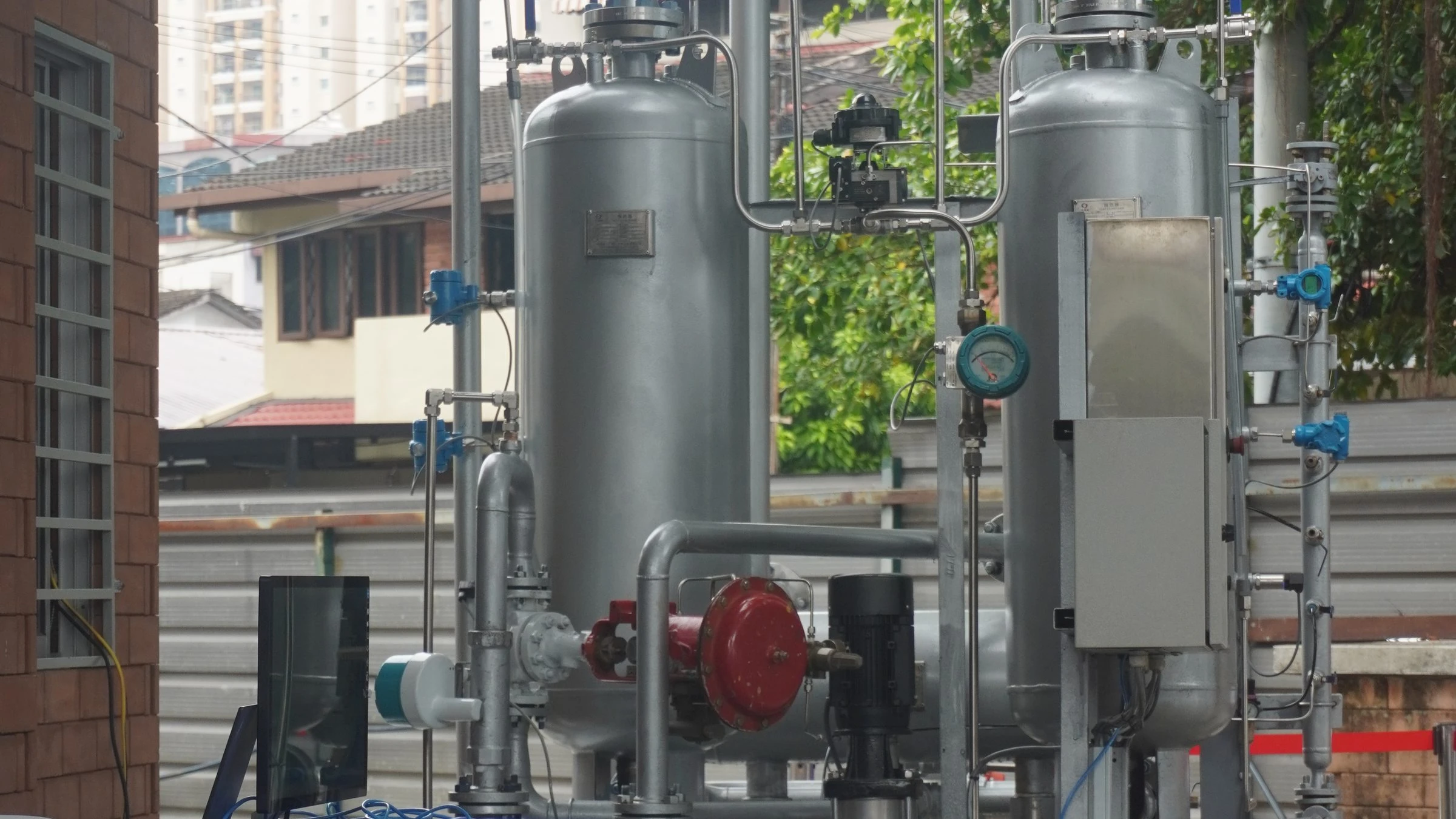
Enhanced LPPU™: a proven platform, built to order
The LPPU platform has three offshore installations across two fields, the first in 2014. The Enhanced LPPU™ carries it forward with the liquid piston, built to order for each well.
Read the story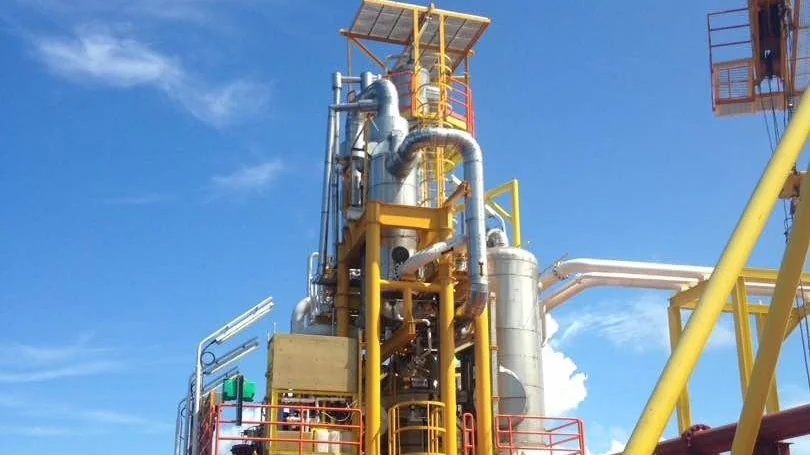
Composition first: is there liquid worth recovering in your low-pressure gas?
Why composition is the first screening question for low-pressure condensate recovery, and how the unit sits on the platform.
Read the storyScreen a candidate